

E-commerce is a broad and rapidly growing area encompassing all business transactions conducted via the internet. Among them, the most well-known are online stores.
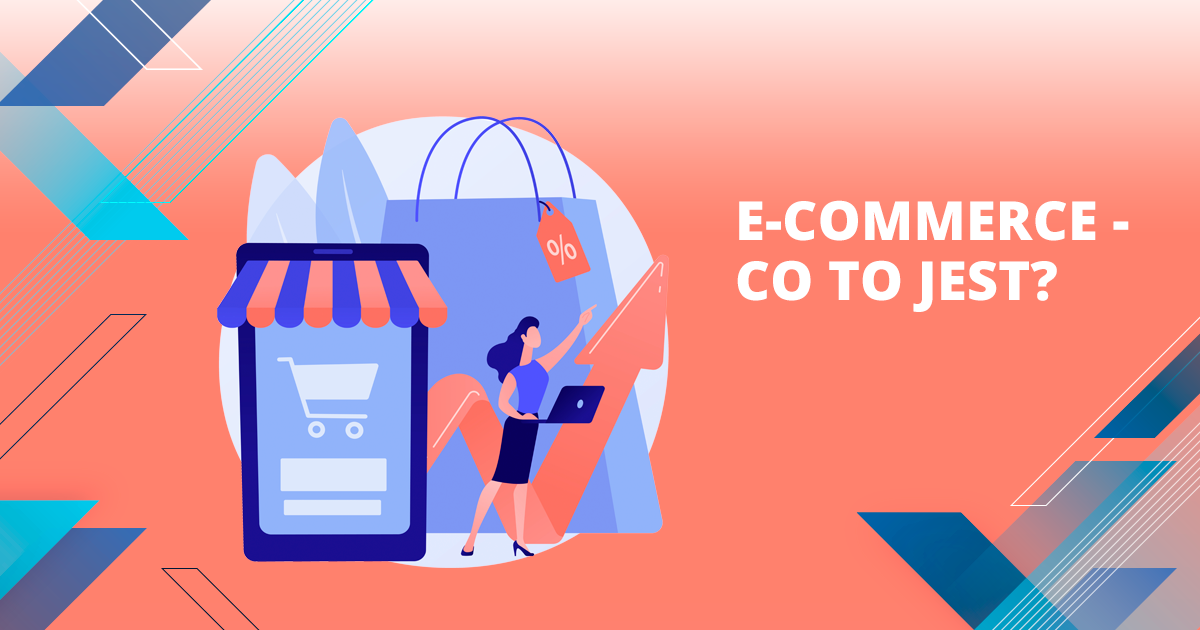
The e-commerce market has recently been experiencing double-digit growth, further accelerated by the pandemic, when many businesses were forced to move all or part of their operations online.
The e-commerce industry is continuously developing new technical solutions that make it easier to search for products, compare prices, and ultimately make purchases, all driven by rising customer expectations. New tools, changing marketing trends, and the dynamic growth of the sector mean constant change. Our brief guide will help you organize your knowledge about e-commerce.
Types of e-commerce businesses
E-commerce, or electronic commerce, encompasses all online transactions and purchases—payment and delivery occur outside a physical store location. The most common form is online stores, which allow customers to browse products virtually and make purchases. E-shops use software known as e-commerce platforms. E-commerce is not limited to online stores but also includes auctions, currency exchange, sports betting, and other forms of internet-based sales activities.
E-commerce typically appears in three forms. B2C, or business to consumer, involves transactions between a company selling products or services and an individual buyer, usually through an online store. B2B, or business to business, refers to transactions between two business entities, often conducted through dedicated B2B systems and with the involvement of sales representatives. C2C, or consumer to consumer, covers trade between private individuals conducted via auction portals.
Who should consider e-commerce?
The shift of business to the internet has accelerated significantly recently. Many companies supplement traditional in-store sales with an online store, making it easier for customers to order, pick up, and exchange goods. Products that sell well online include clothing, multimedia, books, home decor accessories, health-supporting products, furniture, and electronics. The number of transactions made via mobile phones is growing particularly rapidly.
An online store is an attractive solution because it can generate revenue 365 days a year. Customers are not limited by opening hours and can pay and select products around the clock. Running an online business is especially appealing to small entrepreneurs as it helps reduce costs. There is no longer a need to rent and maintain multiple sales locations, organize complex supply chains, or employ many staff members. Additionally, e-commerce allows access to a broad customer base. Sales and shipping can be carried out to any place in the world with internet access.
However, it is important to know that many online stores operate for a maximum of two years. On the Polish e-commerce market, competition is still largely based on price. Entrepreneurs compete to offer the most attractive product price to attract customers, which can be unsustainable for small businesses in the long run. Fortunately, buyers’ attitudes are gradually changing. Customers are now looking not only for good promotions but also for professional service, fast delivery, and niche products—often custom-made.
How to start an e-commerce business?
Just like with traditional business, you first need to determine what kind of online store you need, what you will sell, and who your target audience will be. Try to estimate the traffic you want to generate and how quickly you expect your sales channel to grow. This will affect the budget you need to allocate for starting your business and building your website. Consider your time and technical capabilities—will you be able to create and develop the online store yourself, or would you prefer to entrust this task to an experienced digital agency? Also, include a budget for marketing activities, such as Google Ads campaigns, in your store’s startup costs.
E-commerce experts estimate that every second zloty spent by Polish shoppers goes to online stores. This represents a huge and dynamic market to tap into and a great opportunity for your company’s growth. It is worth learning about e-commerce, following trends and requirements, to promote your business and achieve success.
Similar articles
What is the difference between Google Ads and SEO?
The foundation of online marketing is SEM, which stands for Search Engine Marketing. It consists of Google Ads advertising and SEO positioning, each h...
HTTPS! Ensure Security on Your Website
The HTTPS protocol, or HyperText Transfer Protocol Secure, protects the confidentiality and integrity of data transmitted between a computer and a web...
Removal of a Review from Google Maps – Is It Possible?
Creating a business account on Google Maps is both an opportunity to gain new customers and a significant challenge. Sooner or later, every entreprene...

Have questions?
Call us - we will discuss the details

Every project is individual, requires attention and careful planning. I will help you realize your ideas and do everything so that you achieve your goal.