

A professional website is the foundation of success in online business, and creating one from scratch requires implementing several important principles. When building a website, it’s easy to get stuck in a tangle of aesthetic decisions – which shade to choose, where to place the logo, how many graphics to use.

Meanwhile, the foundation of success is designing the website in a way that makes it as user-friendly as possible for visitors. How do you create a site that is coherent, clear, and provides a positive user experience? Below, we have prepared tips to help simplify this process.
Define Your Target Audience and Website Purpose
Of course, every website creator wants to attract the largest possible audience. However, the old rule applies that you can't please everyone. Consider who your site is intended for and try to specify as many details as possible about your target group. Don’t just decide that they are women or men, as these are very general categories. Define whether they might be young mothers, students, or banking sector employees, for example. To better tailor the design and functionality of the site, create a profile of a fictional representative of your target audience and think about what would be most important for that person when navigating the website.
Choosing your target audience also involves defining the purpose of the website. Will it be a virtual business card, a personal blog, or an online store primarily aimed at encouraging purchases? This purpose also applies to your subpages – the contact information page serves a different function than the presentation of your team members.
Simple Graphic Design
The appearance of the site and the appropriate choice of colors are very important, but users visiting your website want to quickly and efficiently make a purchase or find the information they need. Focus on solutions that truly enhance browsing comfort, while eliminating unnecessary elements. Limit the number of fonts and colors. We recommend using a maximum of five different colors and three fonts that are easy to read. Try to maintain consistency in style and appearance throughout the site.
Ensure a proper hierarchy of graphic elements. By placing them in specific areas of the website and assigning different sizes, you can encourage visitors to take action or make the purchasing decision easier. Visual hierarchy is also related to easy navigation. A well-prepared website guides users so they don’t have to wonder how to get from point A to point B. Place a search box at the top of the homepage to facilitate quick product searches. Navigation should be located not only at the top but also in the footer and kept fairly simple. Too many categories can have the opposite effect. Use breadcrumbs on subpages so visitors can easily check where they are and how they got there.
Accessibility and Focus on User Experience
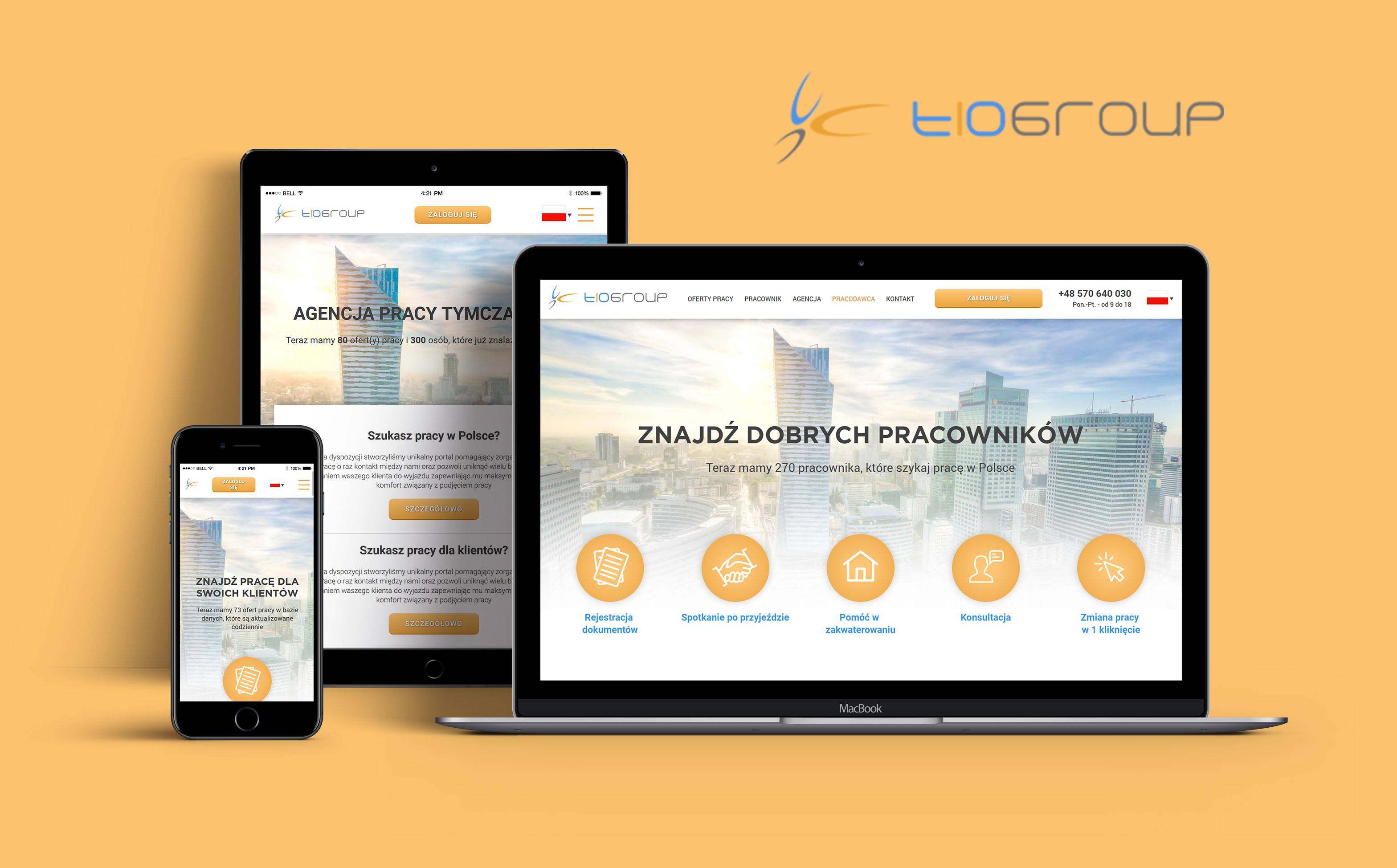
When creating your website, ensure it is friendly not only for computers but also for other mobile devices, various browsers, and operating systems. A responsive website should adapt its appearance and size to the device the visitor is using. Remember that some design conventions have become familiar to most users, and their absence may cause confusion. Examples include the logo placed on the left or center that, when clicked, returns to the homepage, or links that change color when hovered over with the mouse pointer.
Another principle worth remembering is clarity in describing the products and services you offer. Users should be able to quickly find the information they need without having to browse multiple subpages. Your website will appear more trustworthy if the detailed description and price of the product are displayed immediately, without requiring separate contact. The website should have an SSL certificate from the start, which not only protects visitors' data but also increases buyers' trust. It’s worth mentioning that Google’s algorithms hide sites without security certificates from search results.
Summary
Creating a website is a task that requires knowledge and experience. The final design will determine whether the site is functional and how users perceive it. The tips we have described are an absolute foundation without which it is not advisable to start creating a new website.
Similar articles
What is link building?
The number and quality of backlinks are among the most important factors used by Google’s algorithms to determine the ranking of websites in search re...
How much does it cost to create a fan page?
Creating a professional social media fan page and managing it to attract new customers is a complex and time-consuming process. It requires many hours...
How to Create the Perfect Product Page for an Online Store?
Product page is the most important element of e-commerce. This is where the customer decides whether to purchase your product or to abandon it, and it...


Have questions?
Call us - we will discuss the details

Every project is individual, requires attention and careful planning. I will help you realize your ideas and do everything so that you achieve your goal.