

The Mobile-First Index algorithm is a complete innovation in the Google search engine – it began operating at the end of March 2021. This is another step by Google towards enhancing the convenience for mobile device users.

The introduction of the Mobile-First Index brings with it one key change – the mobile version of a website becomes the priority for Google’s crawlers.
Of course, this does not mean that sites with only a traditional desktop version will stop being indexed. However, the lack of mobile optimization will affect their visibility. How exactly? We will explain this in today’s article.
Why did Google launch the Mobile-First Index?
The number of internet users accessing the web via mobile devices is approaching 4 billion – more than half of the world’s population. Google has recognized and taken this trend into account, hence the new Mobile-First Index algorithm. The popularity of mobile devices did not decrease during the pandemic, when many people began working from home. It often seems faster and more convenient to check the desired information on your phone, which is already at hand, than to wait for a computer to boot up.
The second reason for launching the Mobile-First Index algorithm was the sluggishness of many desktop websites. Pages that loaded slowly on computers performed even worse or did not function properly on mobile devices. It was also common for desktop and mobile versions of websites to differ significantly. To make it easier for users to find information, Google started requiring that the content on both versions be identical and easily accessible.
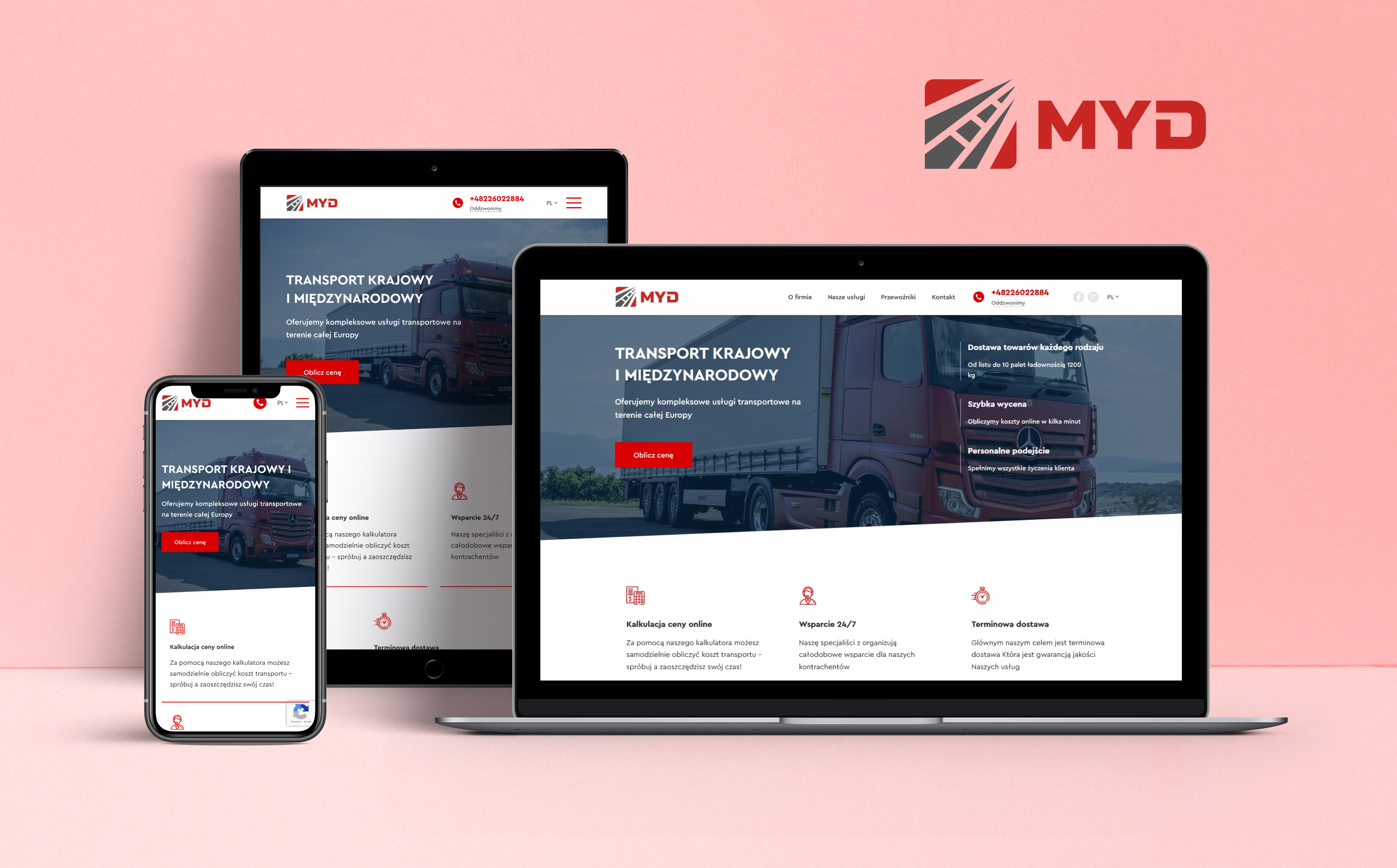
It is worth mentioning that the new algorithm will not negatively affect owners of responsive websites – those that adjust their layout according to the browser window size. Google considers such sites adequately prepared for the Mobile-First Index.
How to adapt your website to the Mobile-First Index?
One of the most important factors that will discourage potential users from staying on your website is long loading time and poor visibility. Checking these two parameters using any phone or tablet will only take a moment. After opening the site, assess the user interface, whether the navigation panel is easy to use, and check if the displayed information is not cut off or incomplete.
To evaluate your site’s speed, you can use a tool provided by Google called Mobile-Friendly Test, which verifies whether your site is properly optimized for smartphones and whether indexing bots can access it correctly. Google’s crawlers must have access to your site’s content and resources. Make sure that URLs are not blocked with the "disallow" directive. Also, keep in mind that bots may have difficulty scanning content that loads only after user interaction.
The final step is to review the visual data. Check whether photos, graphics, and video elements published on the mobile version of your site are not too small and have appropriate resolution. Remember, every element – titles, captions, file names – should be described identically in both the mobile and desktop versions of the site.
How will the Mobile-First Index algorithm affect SEO efforts?
The introduction of the Mobile-First Index algorithm does not invalidate the effectiveness of most existing SEO techniques. If you have only a desktop site, it will not be penalized, but it will likely rank lower compared to sites that also have a mobile version. The absence of a mobile site may also degrade the quality of search results – in this case, indexing bots will negatively assess the user experience of your site.
The Mobile-First Index signals a shift in Google’s philosophy towards mobility. To benefit from this change, ensure your site meets the indexing bots’ requirements and is user-friendly. The algorithm will reward you with improved website traffic, which in turn will bring new customers and opportunities for growth.
Similar articles
What do content marketing and SEO have in common?
In the battle to attract customers, it is best to combine forces and use two effective tools: content marketing and SEO. Although they operate differe...
Domain Authority and Trust Level – What Do They Influence?
Domain authority (DA), or domain authority, is a metric that indicates how high your website will rank in Google search results.
SEO Mistakes When Building an Online Store
Due to the rapid change in shopping habits and the migration of businesses online, many people believe that starting an online store is very simple an...


Have questions?
Call us - we will discuss the details

Every project is individual, requires attention and careful planning. I will help you realize your ideas and do everything so that you achieve your goal.