

Remarketing is an effective and efficient tool that targets ads to customers who have already visited your website. Instead of advertising blindly and paying for impressions shown to random users, you gain a marketing campaign tailored to your needs.
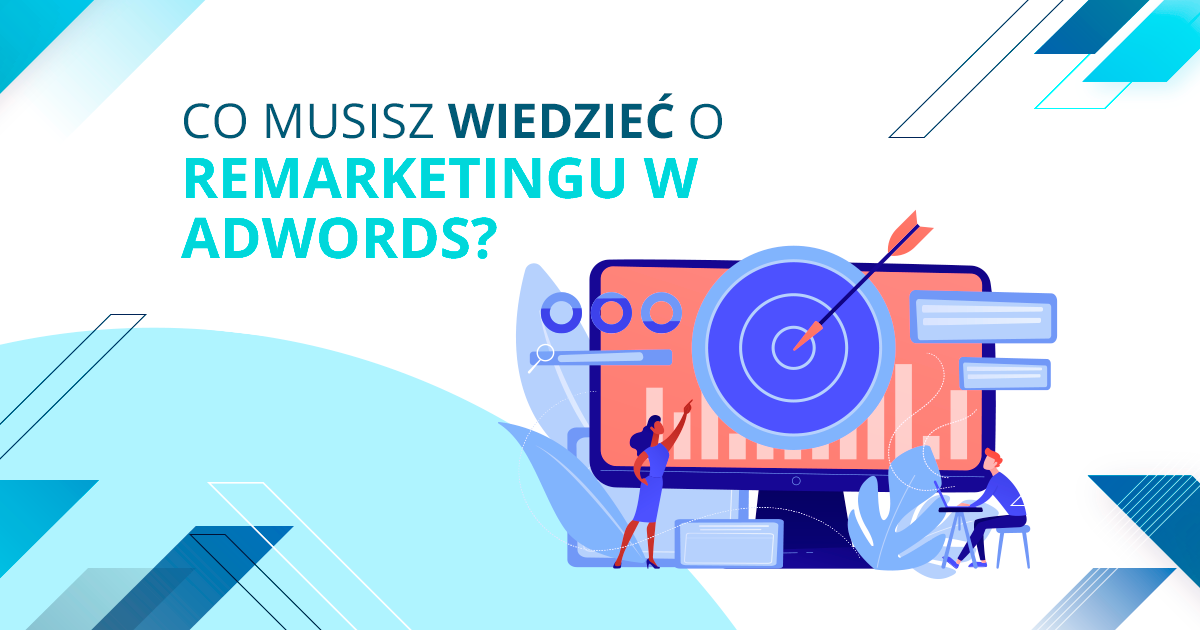
Google AdWords is most commonly used for displaying tracking advertisements. The Google Ads platform allows you to place ads on the Google search engine as well as on sites of partners within the Google Display Network. Why is remarketing the most effective form of advertising?
How Remarketing Works and Its Advantages
How does it work? It’s very simple – visitors to your website receive a cookie that installs in their browser. This way, they join your audience list, which you can easily recognize among other users. You can easily collect audience data using the Google Analytics tool.
Advertising campaigns based on remarketing deliver measurable results. Thanks to statistical tools, you have constant control over who your ads target, the costs of ad placements, and you can continuously evaluate business outcomes. Moreover, your advertising will be cost-effective – Google’s bidding systems operate intelligently, ensuring you receive the best rates for ad placements.
Remarketing campaigns help accelerate the customer’s decision-making process. Before deciding to purchase a product or service, customers often discuss options with others, visit competing websites, or check price comparison portals. With smart advertising, they won’t forget your offer – the ad will follow the customer as they browse other sites. Additionally, this form of advertising is more appealing thanks to the use of high-quality graphics and video files.
Types of Remarketing Campaigns
AdWords remarketing campaigns are highly effective due to their strong customization to the audience. We can categorize them into several types depending on the selected settings. The most general type is page-level remarketing. The ad message directs the customer to the product categories they viewed. More effective is abandoned cart remarketing, where ads target people who added products to their cart but did not complete the purchase. Cross-selling refers to ads targeting customers who have already used your offer, proposing other products or services that may interest them. Up-selling targets customers who made a purchase some time ago, reminding them about your website and product range.
A special type of remarketing is dynamic remarketing. It is created in real-time based on available product resources and displays a personalized offer to each user. This can only be used by online stores. Thanks to the capping function, you can adjust the frequency of ad displays to users – ensuring the campaign is noticeable without overwhelming the audience.
If you are not currently running AdWords remarketing campaigns on your website, it’s time to make a change. They allow you to precisely target ads to people who have interacted with your site and improve the profitability of your campaigns. Properly executed remarketing will bring you new customers and help build brand awareness among your audience.
Similar articles
Brand and SEO - Does Brand Awareness Affect Positioning?
Times when a company focused mainly on producing and selling a product are becoming a thing of the past. Today, the goal is to stand out among hundred...
Meta description — how to create a description that encourages clicks?
is a brief description of a webpage that usually includes one of the keywords, a selected product feature, and a call to action, enabling potential c...
What is Mobile-First Indexing and How Does It Affect SEO?
The Mobile-First Index algorithm is a complete innovation in the Google search engine – it began operating at the end of March 2021. This is another s...

Have questions?
Call us - we will discuss the details

Every project is individual, requires attention and careful planning. I will help you realize your ideas and do everything so that you achieve your goal.